Hardware Design
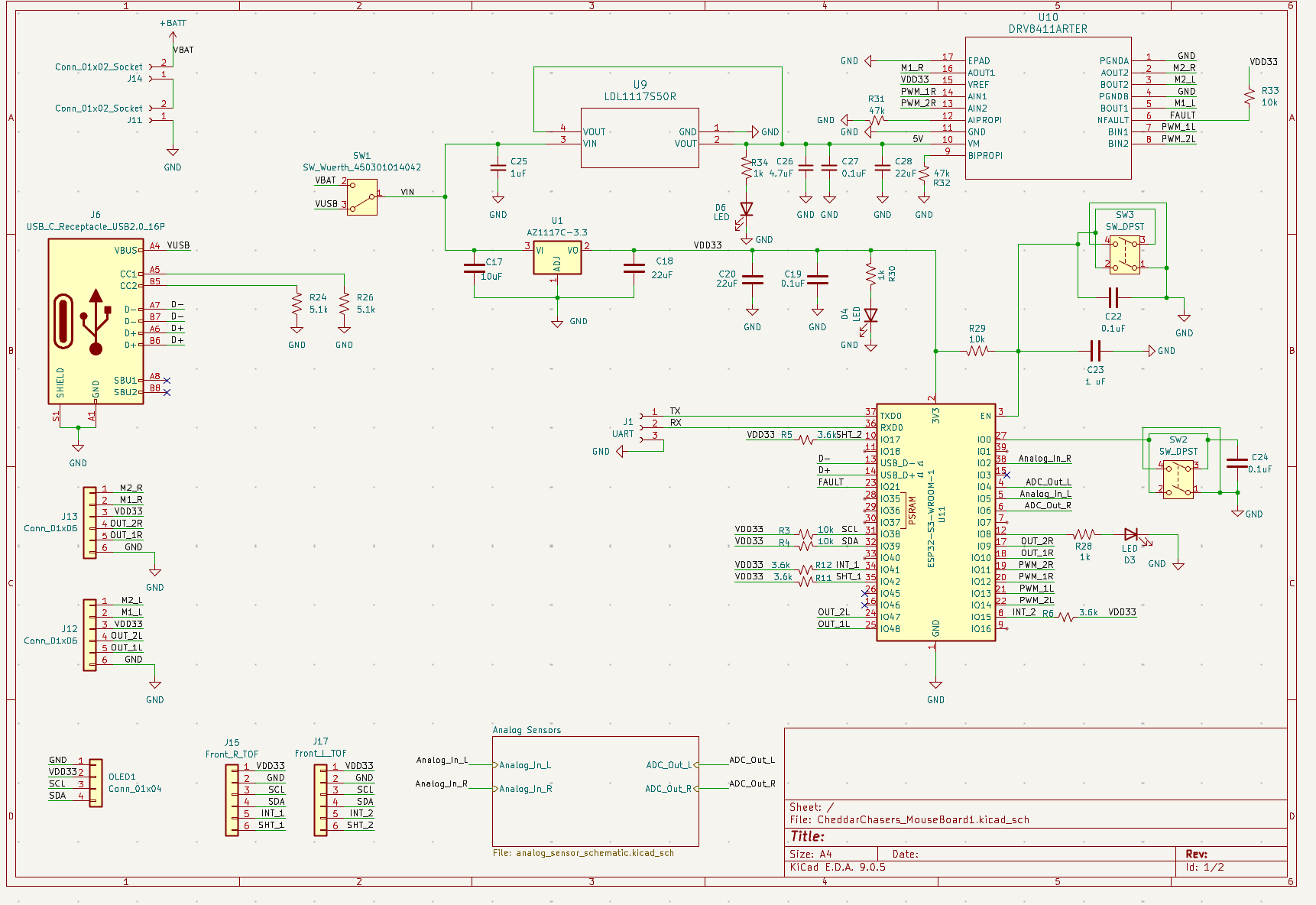
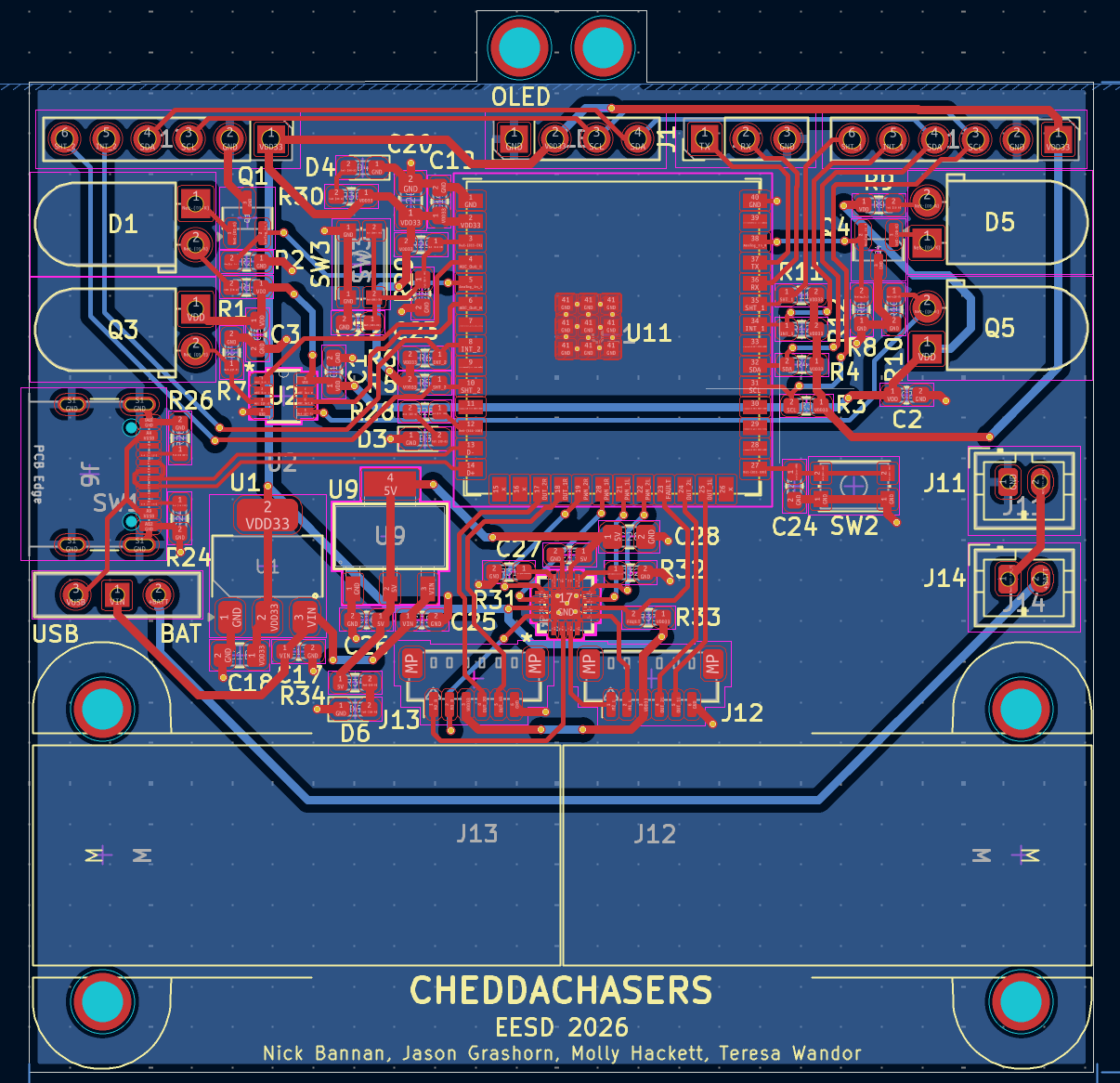
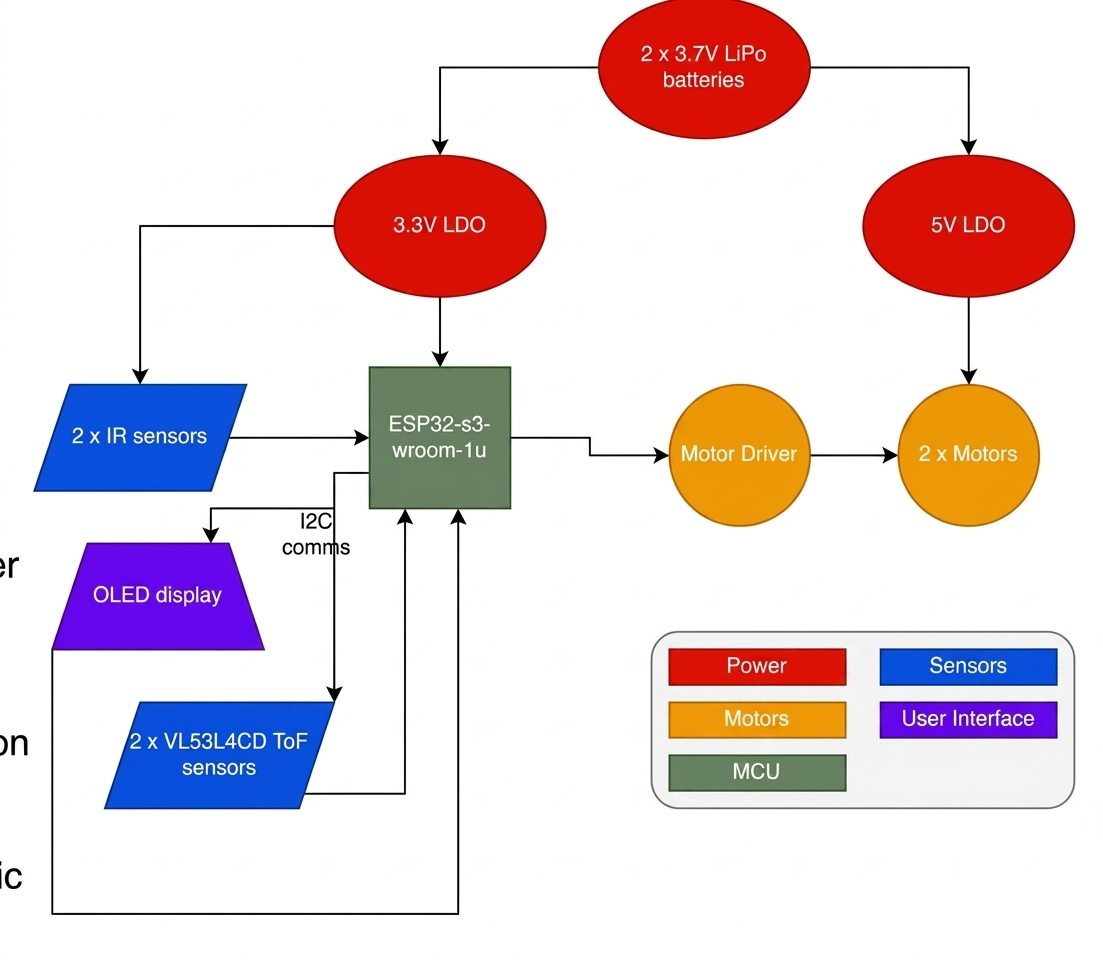
The hardware architecture of the Cheddar Chasers robot is built for modularity and precision. By separating sensing, power management, and logic into distinct sub-systems, we ensured the robot is both resilient to electrical noise and easy to repair during competition.
Main Control Board
The central hub of the robot handles high-level logic and signal routing.
Power & Connectivity
Power Source: Fueled by a 3-cell LiPo battery for rapid motor acceleration.
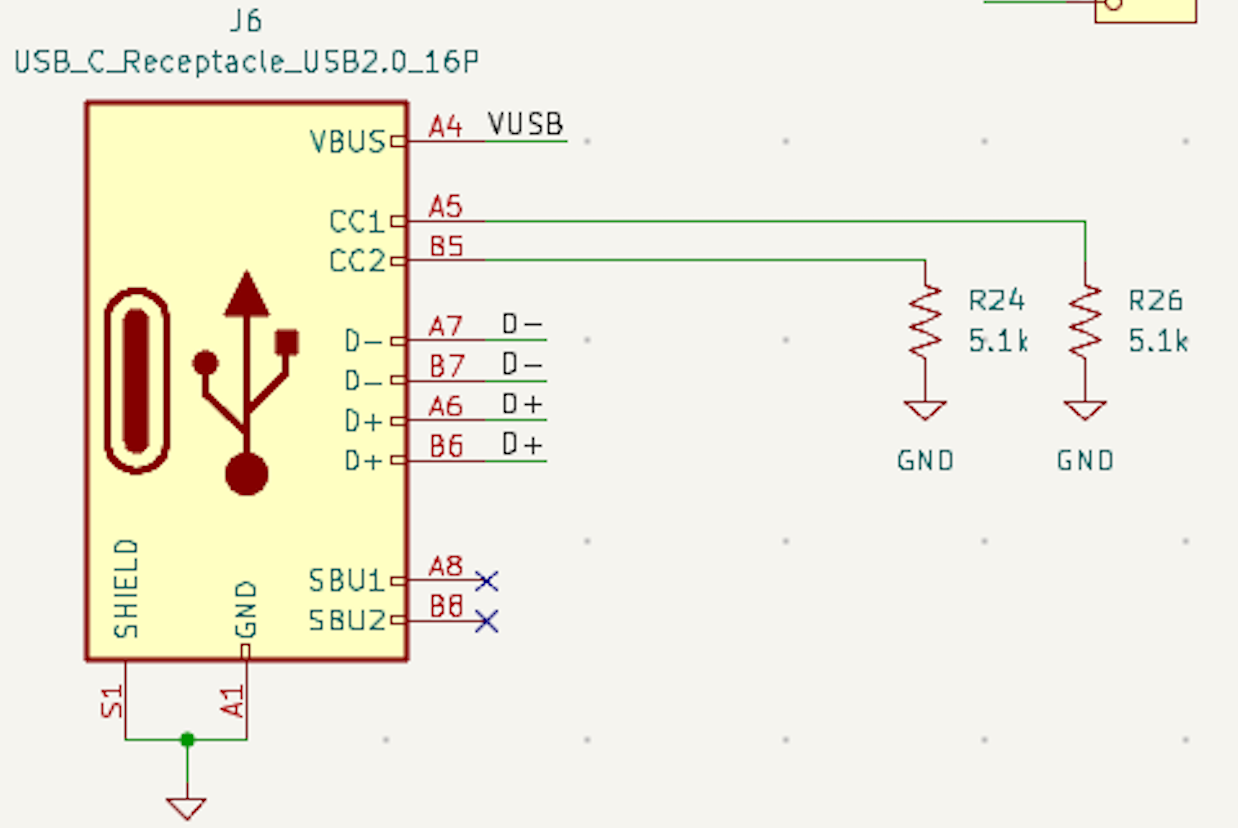
USB-C Connection: Implemented for firmware updates and serial data telemetry.
Actuation
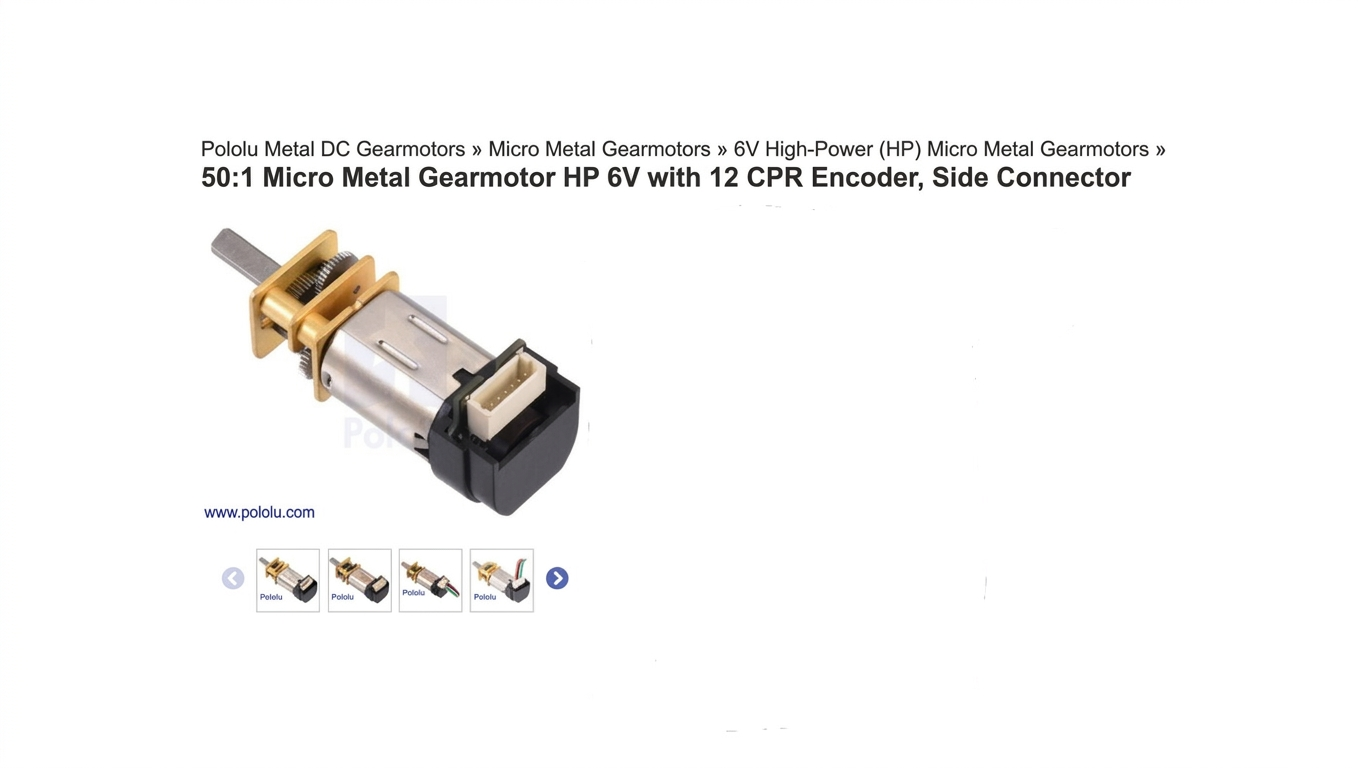
Our drive system consists of precision DC motors equipped with high-resolution encoders.
Sensor Suite
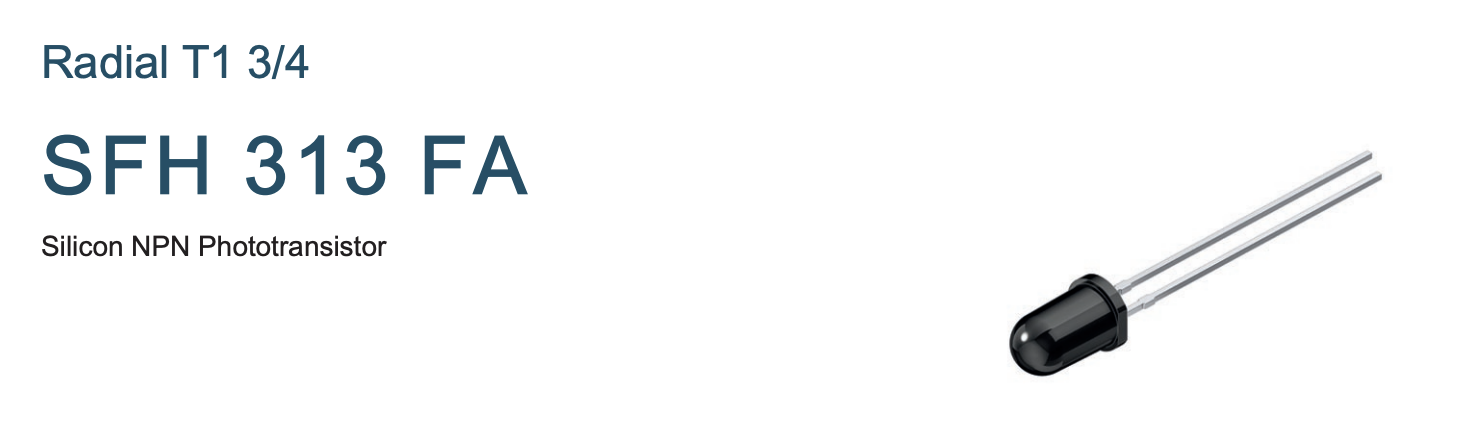
IR Sensors: Custom array for short-range proximity detection.
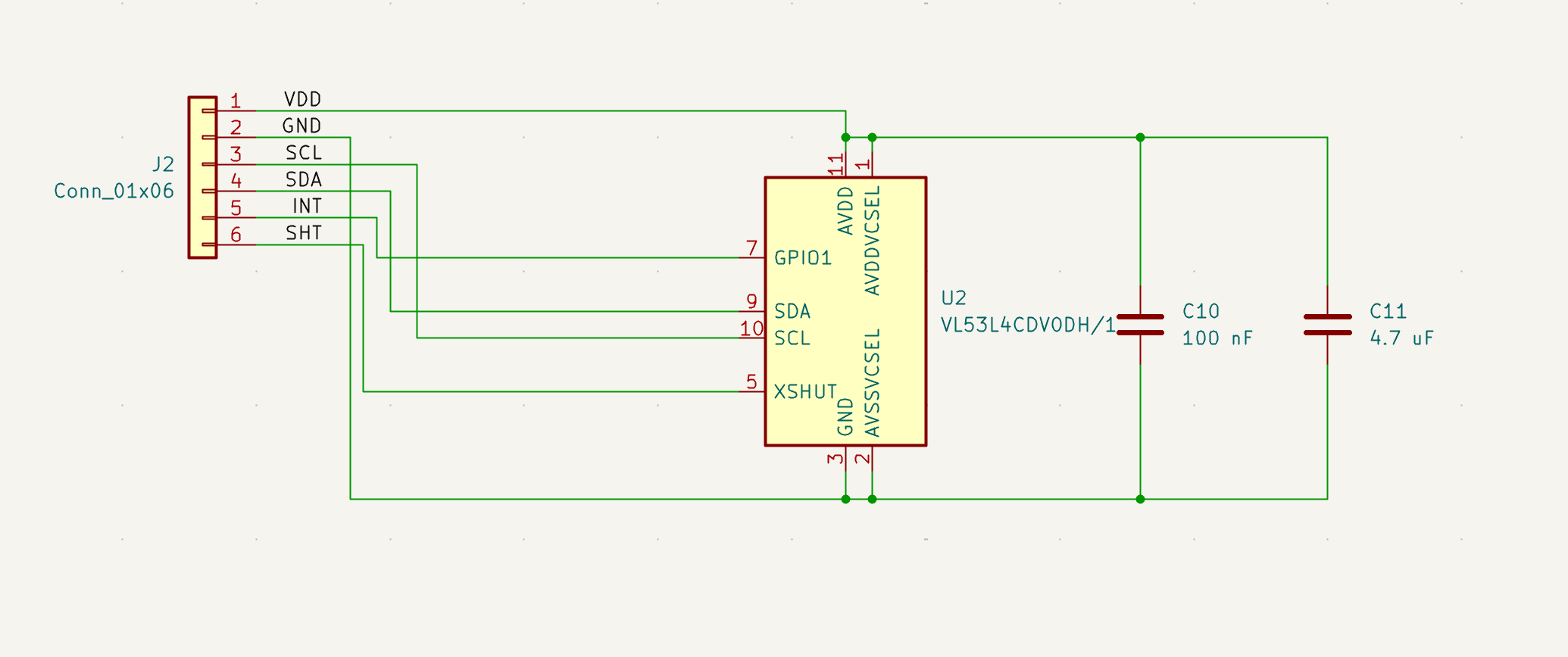
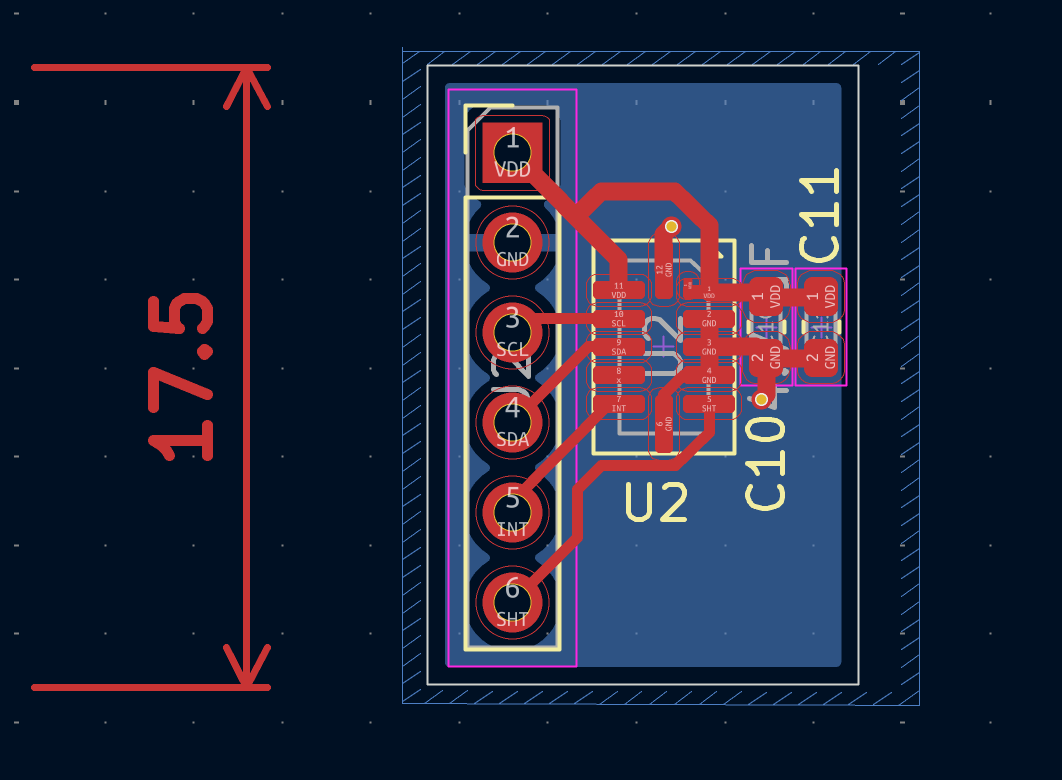
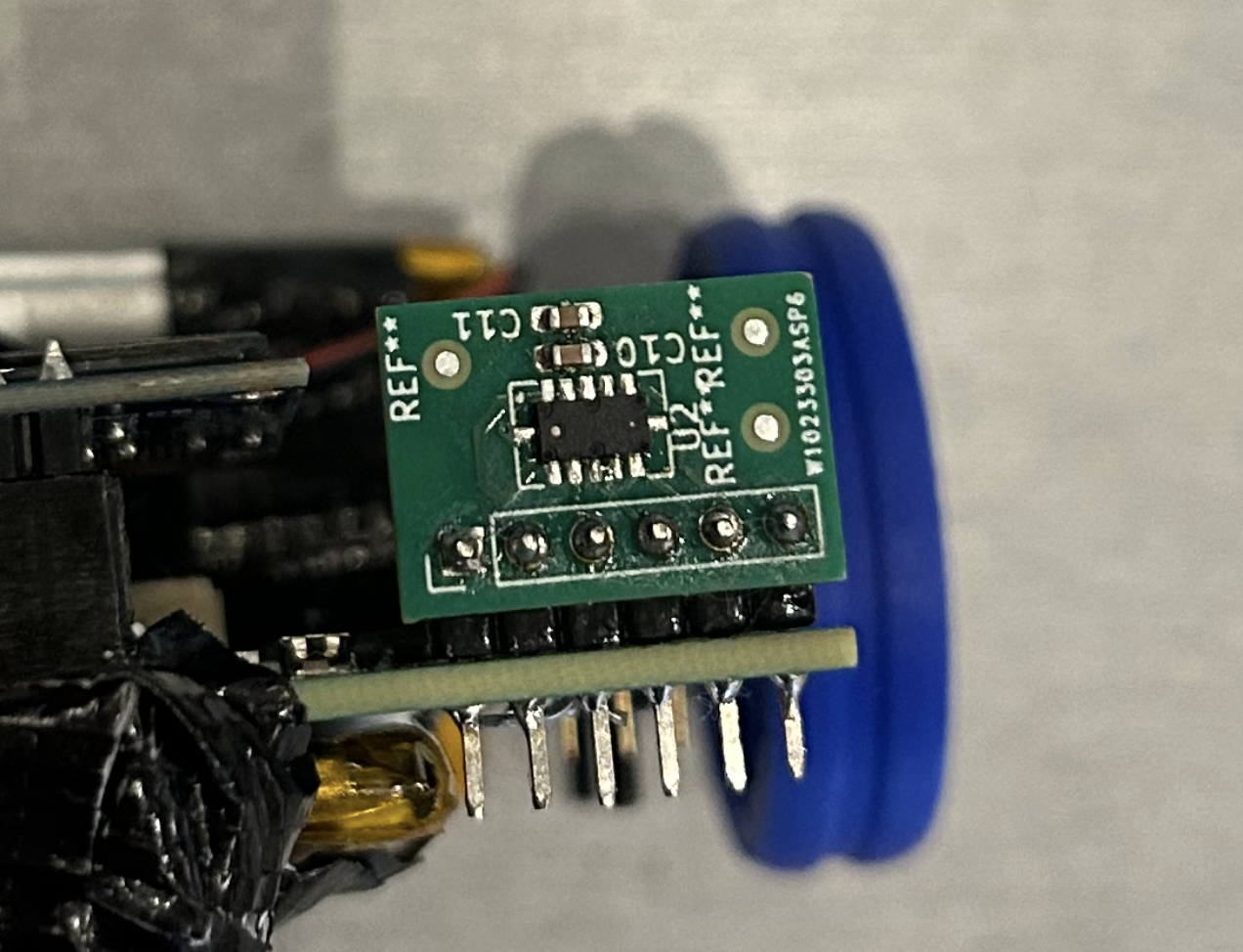
Time of Flight (TOF) System: Millimeter-accurate distance readings for obstacles.
Conclusion
The resulting hardware platform provides a stable, low-latency environment for our control algorithms.